
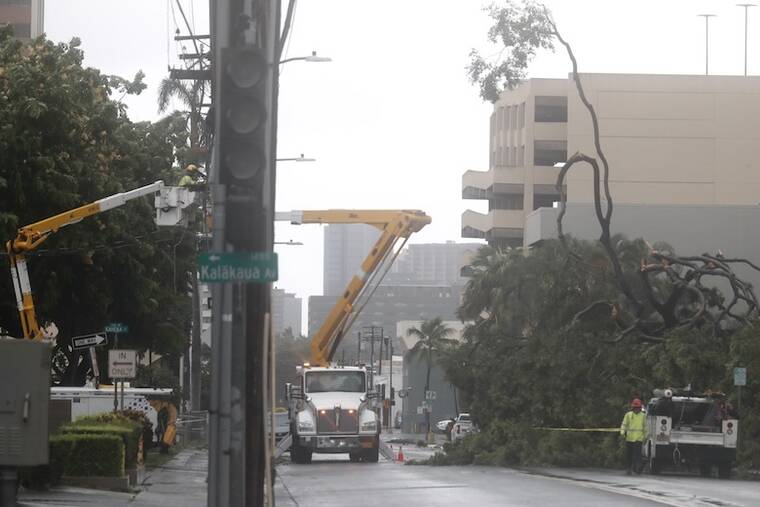
Thousands of residents across the islands remain in the dark tonight as Hawaiian Electric warns customers to prepare for extended outages following the devastation brought by Hurricane Lala. As of late Monday evening, roughly 178,400 customers were still without electricity, with impacts stretching from Hawaii island to Oahu. Company officials cautioned that those currently without power, particularly in rural areas of Hawaii island and throughout Maui and Oahu, should settle in for potentially long periods without service as crews struggle against the aftermath of high winds and torrential rain.
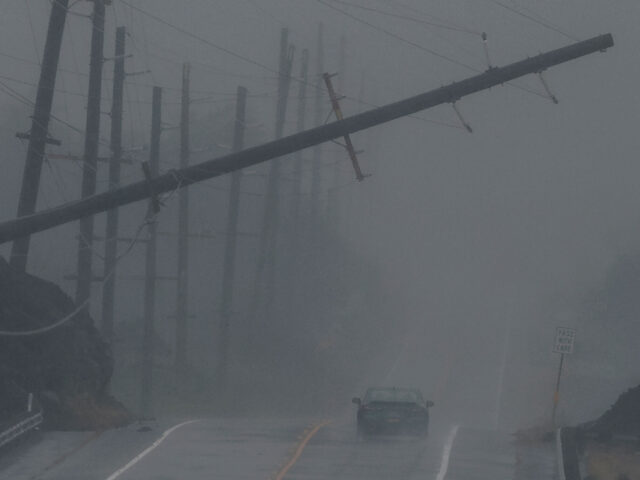
The recovery effort has been hampered by severe damage to main transmission lines, which utility executives describe as the backbone of the power grid. Because many of these critical lines traverse mountainous regions and remote terrain, repairs are proving to be both challenging and time consuming. On Oahu alone, over 126,000 people are still waiting for their lights to come back on, spanning areas from Honolulu to the windward coast. Residents who do have power in these regions are being urged to conserve energy by limiting the use of air conditioners and delaying chores like laundry or dishwashing to prevent further strain on the system.
On Hawaii island, nearly 45,000 customers are facing blackouts, predominantly in Puna, North Kona, and South Kohala. Utility teams have already managed to repair three major transmission lines and are using helicopters and drones to assess damages where ground access is blocked by fallen trees and flooding. While progress is being made on Maui—where only about 7,000 customers remain without service—the scale of the disaster has forced Hawaiian Electric to seek outside help.
To speed up the restoration process, the company has called upon its partners in the Western Region Mutual Assistance Group. Around 100 specialized crew members from mainland utilities are expected to arrive as early as Tuesday morning and will begin field operations on Wednesday. Until then, technicians continue to prioritize critical infrastructure such as hospitals and water facilities while warning the public that downed power lines should be treated as live and extremely dangerous.