

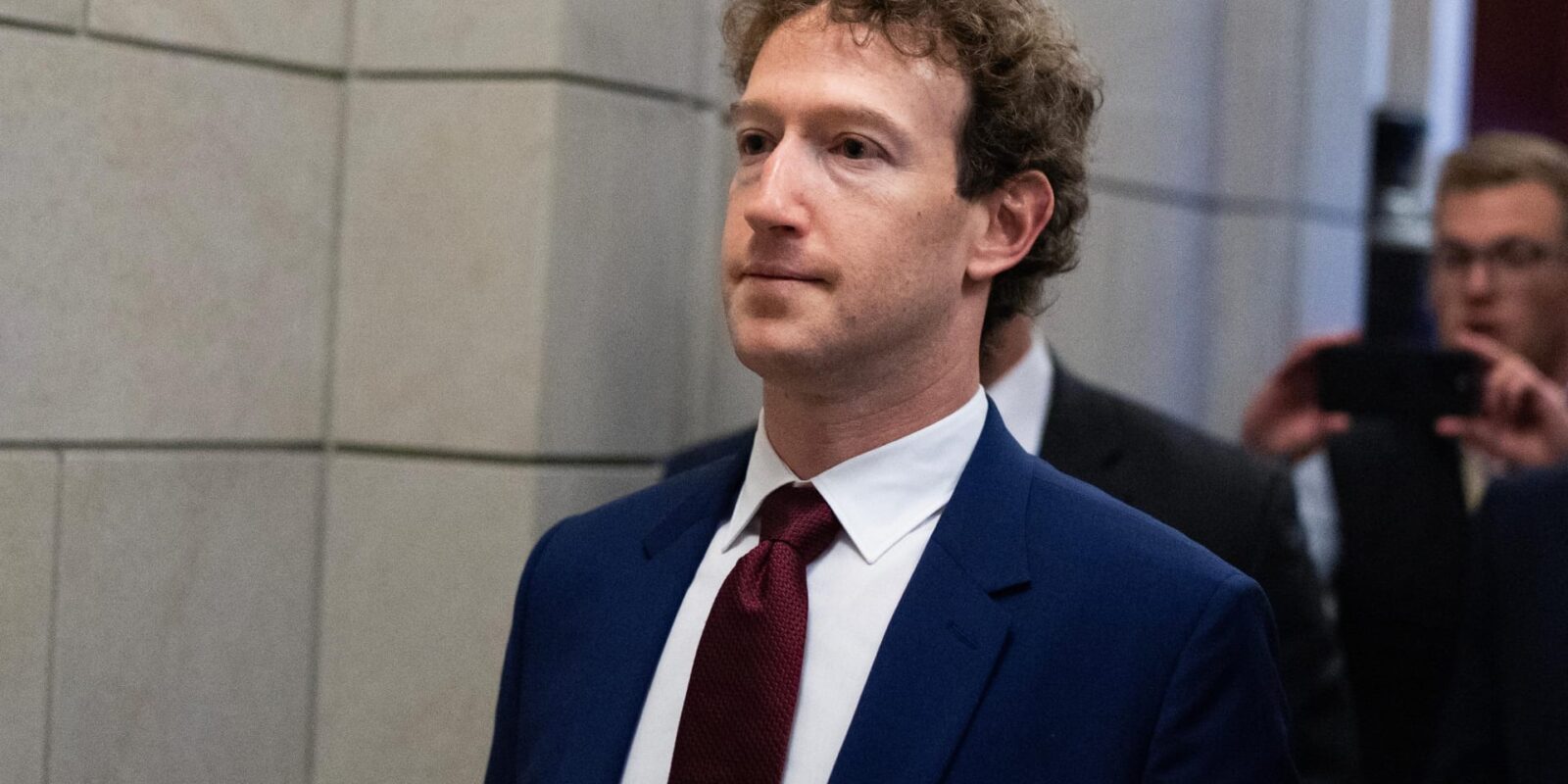
Meta is facing a pivotal moment in its legal battle against a coalition of twenty nine state attorneys general as opening arguments begin this Tuesday in an Oakland federal courthouse. Led by California Attorney General Rob Bonta, the lawsuit alleges that the parent company of Facebook and Instagram intentionally fostered addictive behaviors in children and teenagers while misleading the public about the safety of its platforms. This particular trial is viewed as a watershed moment for the tech giant, drawing comparisons to the Big Tobacco litigation of the nineties because it targets the very architecture and design of the software rather than just individual pieces of content.
The stakes are described as astronomical by legal observers, particularly since Meta recently suffered a significant loss in New Mexico that resulted in nearly one billion dollars in penalties. While that victory provided a strategic blueprint for prosecutors, the scale of California’s economy and population means any adverse ruling in Meta’s home state could trigger far more severe consequences. Experts suggest that beyond mere financial fines, the court could mandate fundamental overhauls of the algorithms that drive user engagement, potentially disrupting the core mechanism through which Meta generates almost all of its revenue via targeted advertising.
For Mark Zuckerberg, the timing is precarious as he pours hundreds of billions of dollars into an ambitious pivot toward artificial intelligence. A catastrophic judgment could threaten the capital necessary to fuel these investments. Attorneys representing the states have suggested damages could reach two hundred billion dollars, though some estimates have soared even higher. By focusing on deceptive marketing and hazardous product design, prosecutors hope to bypass Section 230 protections that typically shield social media firms from liability regarding third party posts.
Attorney General Bonta remains steadfast in his pursuit, asserting that Meta knowingly distributed a dangerous product to vulnerable youth and contributed to a national mental health crisis. Meta has pushed back vigorously against these claims, arguing that its features are benign and that the lawsuits fail to provide evidence of actual deception. As a jury begins deliberations in one of the most influential jurisdictions in the world, the outcome may decide whether Meta continues its current operational trajectory or is forced into a historic corporate restructuring.